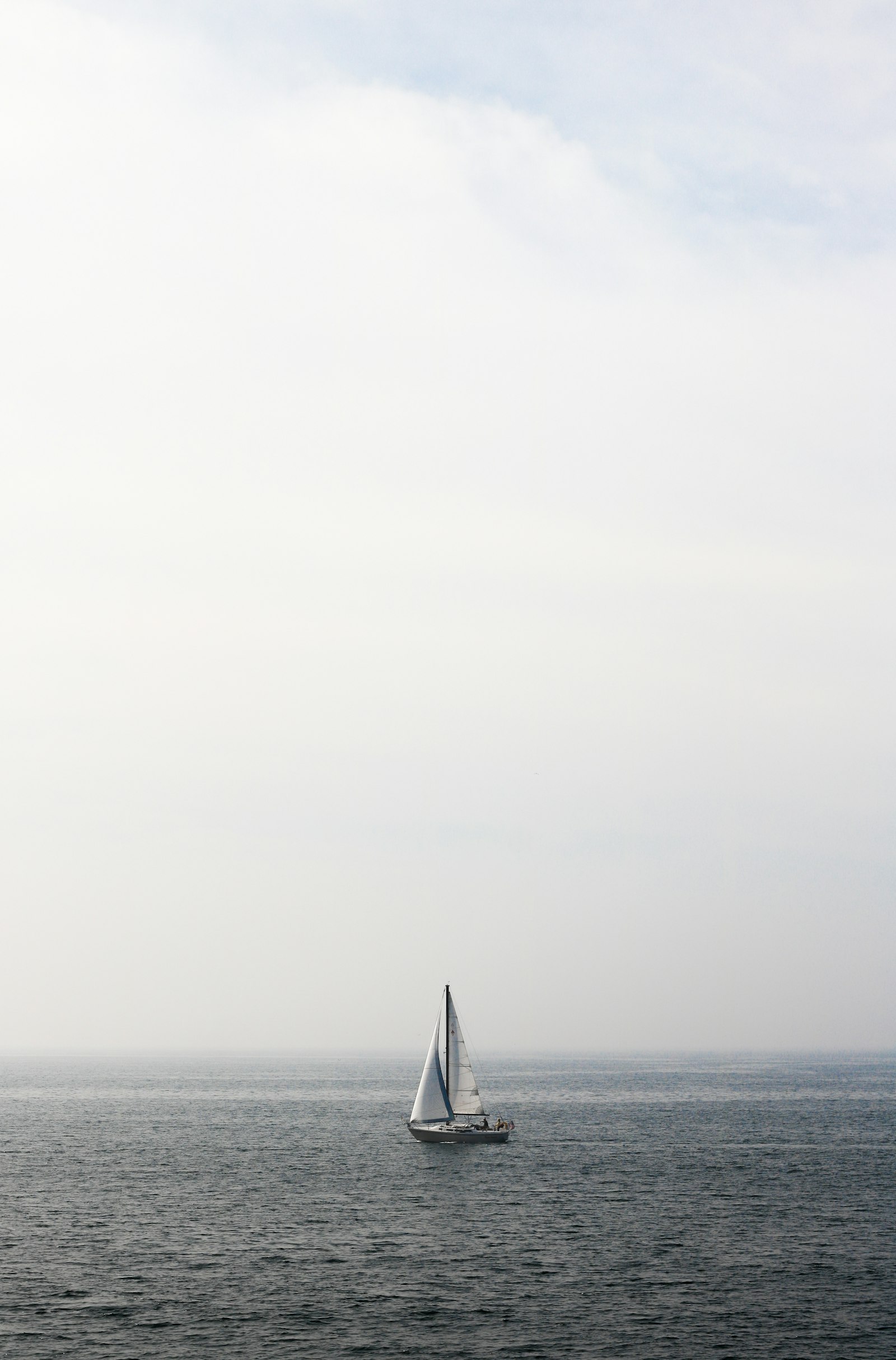
The fleet comes to Pacific Ocean
The Queen ofthe Pacific
The largest ocean on earth has never had a queen. Until now.
The fleet comes to Pacific Ocean
The largest ocean on earth has never had a queen. Until now.
Her Realm
One hundred and sixty-five million square kilometres of water. It holds half the planet's surface and all of its silence. The Pacific is not a destination — it is a direction. Every great sailing civilization that ever built a boat pointed itself at it first.
The Experience
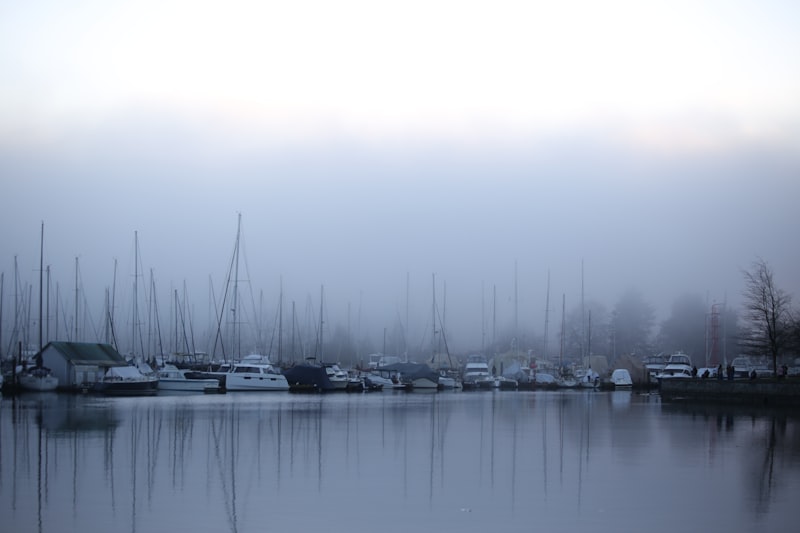
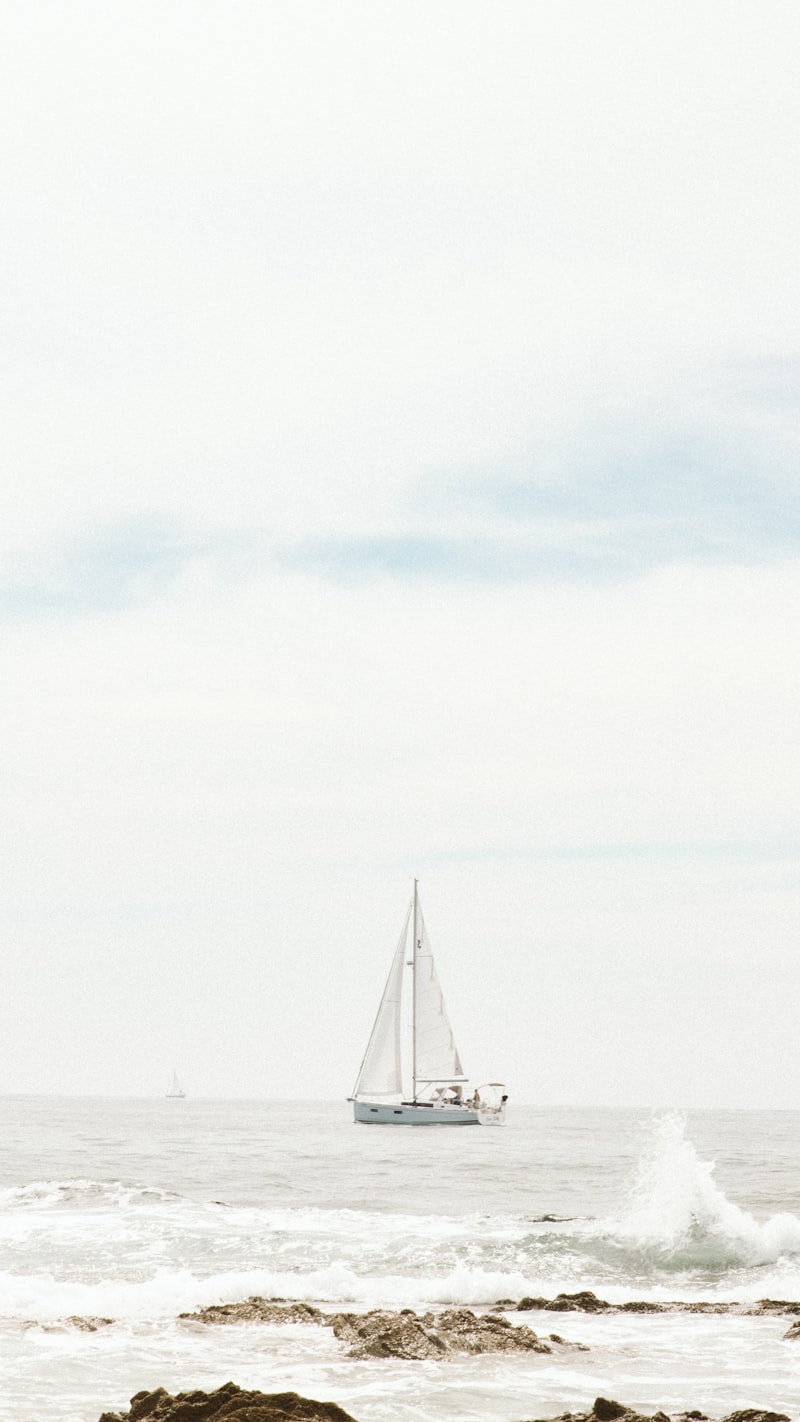
Depart the harbor while the fog still clings to the headlands. Once past the breakwater, the Pacific opens — not a body of water but a dimension. The swell is long and slow, as if the ocean has been breathing this way since before there were charts. Watch the coast diminish. Watch the horizon circle around you. Watch how quickly you understand why every culture that ever built a boat pointed it toward the sunset and sailed until the edge of the world turned out to be another shore. Return before dark with the wind on your quarter, the city reappearing in the distance like something recovered.
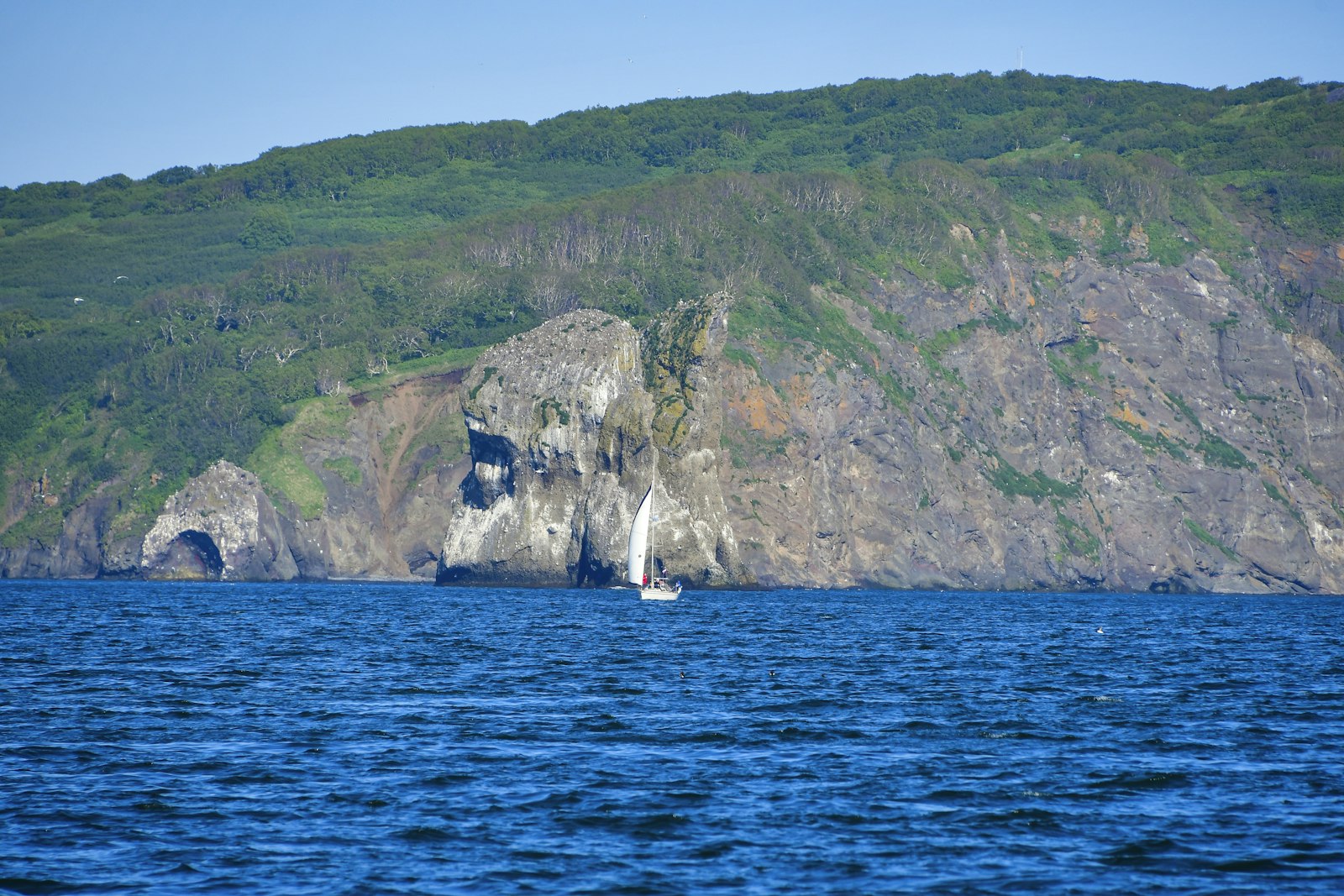
From the Water
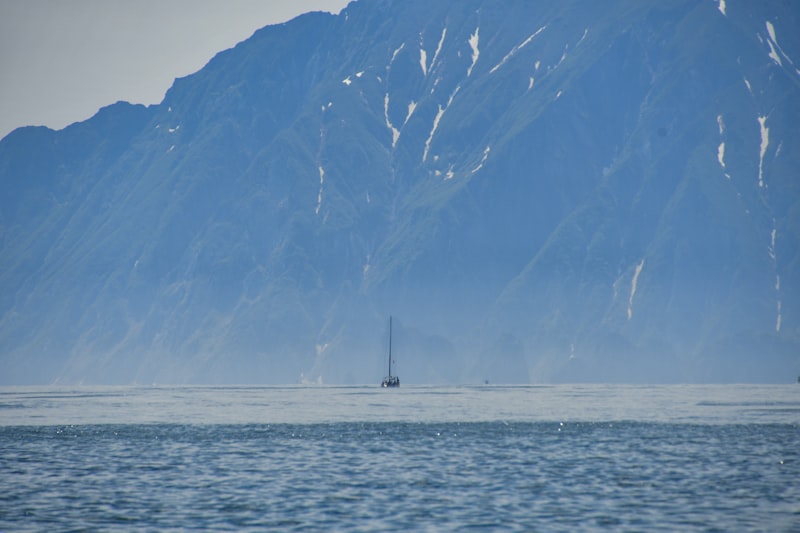
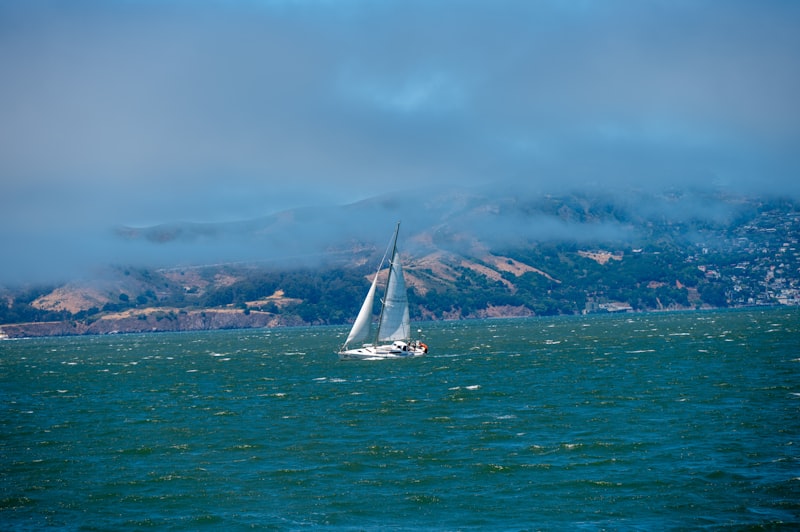
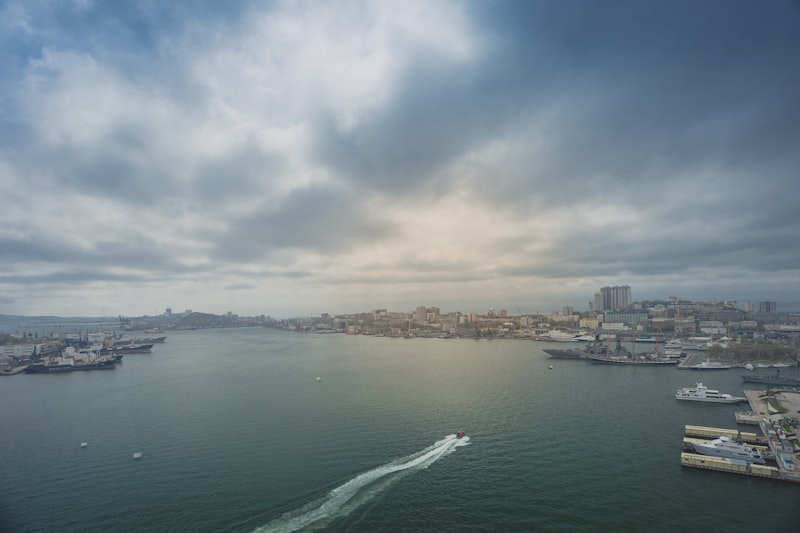
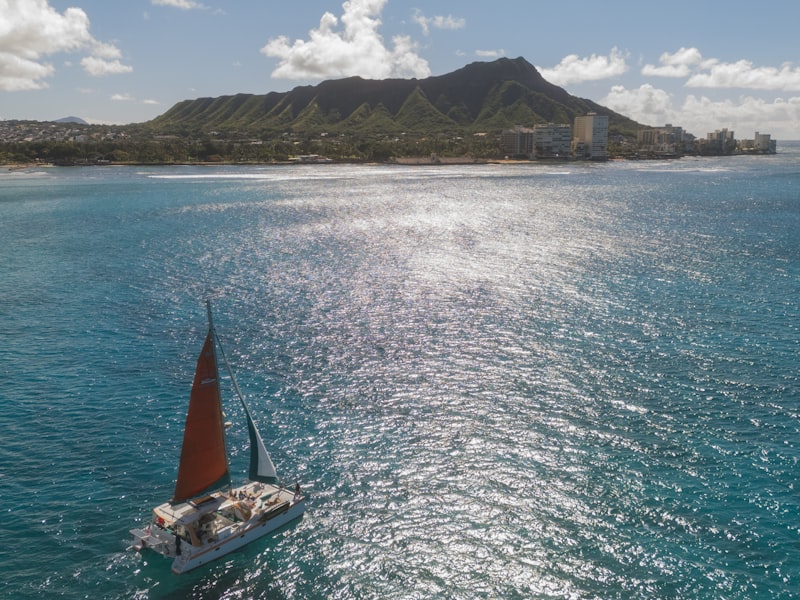
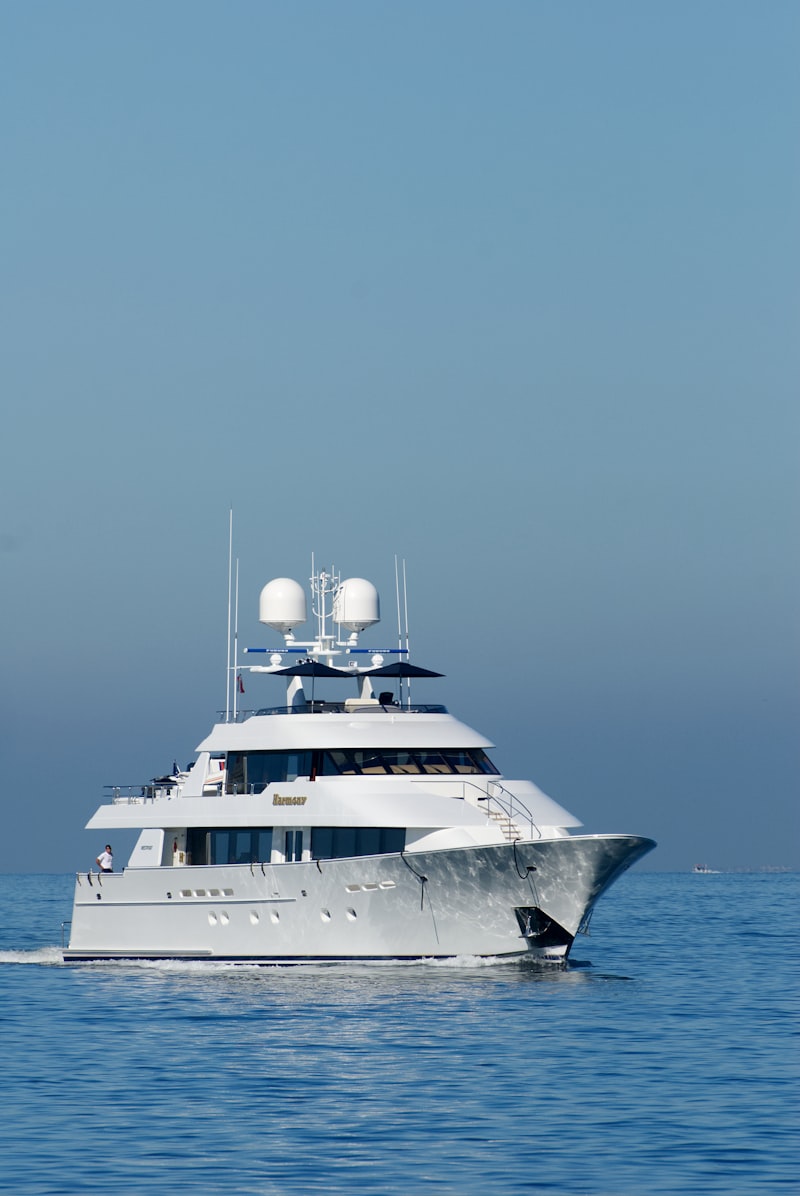
Destination · by The Queen’s Fleet
San Diego is where the Pacific begins — or ends, depending on which direction you're sailing. The harbour mouth at Point Loma, between the old lighthouse above and the kelp beds below, is the departure gate for the longest fetch of ocean on earth: from here to Japan is 9,000 kilometres without an interruption of consequence. The Channel Islands (Catalina, San Clemente, Santa Cruz, and the outer islands of San Nicolas and San Miguel) are the first tier offshore; beyond them the Pacific opens fully, and the sailing becomes the oldest proposition in American navigation. JADA departs this harbour on every charter. The Pacific is not a destination on the horizon — it is the water beneath the hull from the moment the dock lines are cast off.
The Pacific's character from San Diego's perspective is the character of the California Current: cold (thirteen to eighteen degrees Celsius year-round), clear, and rich with life. The upwelling of cold water from depth brings nutrients that support one of the world's most productive marine ecosystems. The kelp forests off Point Loma are among the largest on earth. The California gray whale migration passes San Diego's harbour mouth between December and April on the southbound run to Baja and returns in spring. The blue whale feeding grounds are thirty to forty miles offshore in summer, at the edge of the continental shelf, where the depth drops from sixty metres to six hundred in a matter of nautical miles. None of this is distant. It is the immediate offshore environment of the flagship.
An offshore Pacific charter from San Diego is a departure into a dimension that changes within minutes of leaving the harbour. The marine layer that sits over the bay burns off past the kelp line. The swell that was a rhythmic background becomes the ocean's actual motion. The Channel Islands are two to four hours from the harbour entrance depending on wind; a full-day charter with a good weather window reaches Catalina's Isthmus — Two Harbors — for an afternoon in a protected anchorage before the return passage. The open Pacific horizon, with the visible curvature of the earth in good visibility and the swell rolling in from storms a week old and three thousand miles away, is fifteen minutes from the harbour entrance on the outbound run.
The Queen's Fleet's Pacific vision is the extension of what JADA already does on every San Diego Bay charter: sail the Pacific, offer the Pacific's space and silence, return before dark. The long-range fleet vision reaches from San Diego to Cabo San Lucas, from Cabo to the Marquesas on the trade-wind route, from the Marquesas through French Polynesia to the Cooks and Tonga and Fiji. The Pacific is not a destination. It is the thread that connects every western Queen's Fleet city — the ocean that carries the fleet's standard from the San Diego flagship outward to every horizon it has set.
The City
The northeast trades that Magellan called 'Mar Pacífico' — the peaceful sea. They have driven the Pacific's great crossings since before the first chart was drawn.
The volcanic arc that traces the Pacific's perimeter — from Alaska down to Tierra del Fuego, across to New Zealand and Japan — the most geologically alive edge in the world.
Hawaii, Easter Island, New Zealand — settled by the world's greatest open-ocean navigators thousands of years before any European saw the Pacific.
Private crewed charters from $1,000 per hour — yours alone, fully provisioned, and unhurried from the moment you step aboard. Founding-list guests sail first and sail finest.
Join the Founding List